
AI can save time, but can it save YOU?
another rant/opinion piece on the value of human thought and creativity


The Book of Kells is a relic of Early Medieval art and religious devotion. Young monks toiled over its vellum pages, writing in careful calligraphy the words of the New Testament. Vibrant miniatures and marginalia adorn the text in inks of ochre, imported indigo, copper green, and lapis lazuli. Title letters are decorated in Celtic knots, intertwining human and geometric forms. The production of an illuminated manuscript took effort, devotion, and time.
Amidst these AI debates, I often think of the Book of Kells. I think of the familiar— why don’t we make things like this anymore?— rhetoric on Substack. Why don’t we make manuscripts like the Book of Kells, or grand Gothic cathedrals, or enchanting public spaces? I worry that if such things were made today, some would see them as frivolous, expensive, and dare I say, useless.
However, I don’t entirely agree with that sentiment. There are still great artists, thinkers, and writers. The shift is in our evaluation of art and artists. Perhaps this is unique to my suburban American upbringing, but art was seen as a waste of time, not a career. Only the rare few artists or writers gain enough recognition to pay the bills, so why even try to be creative? Might as well sideline your passions and turn them into hobbies you only have time for once a month.
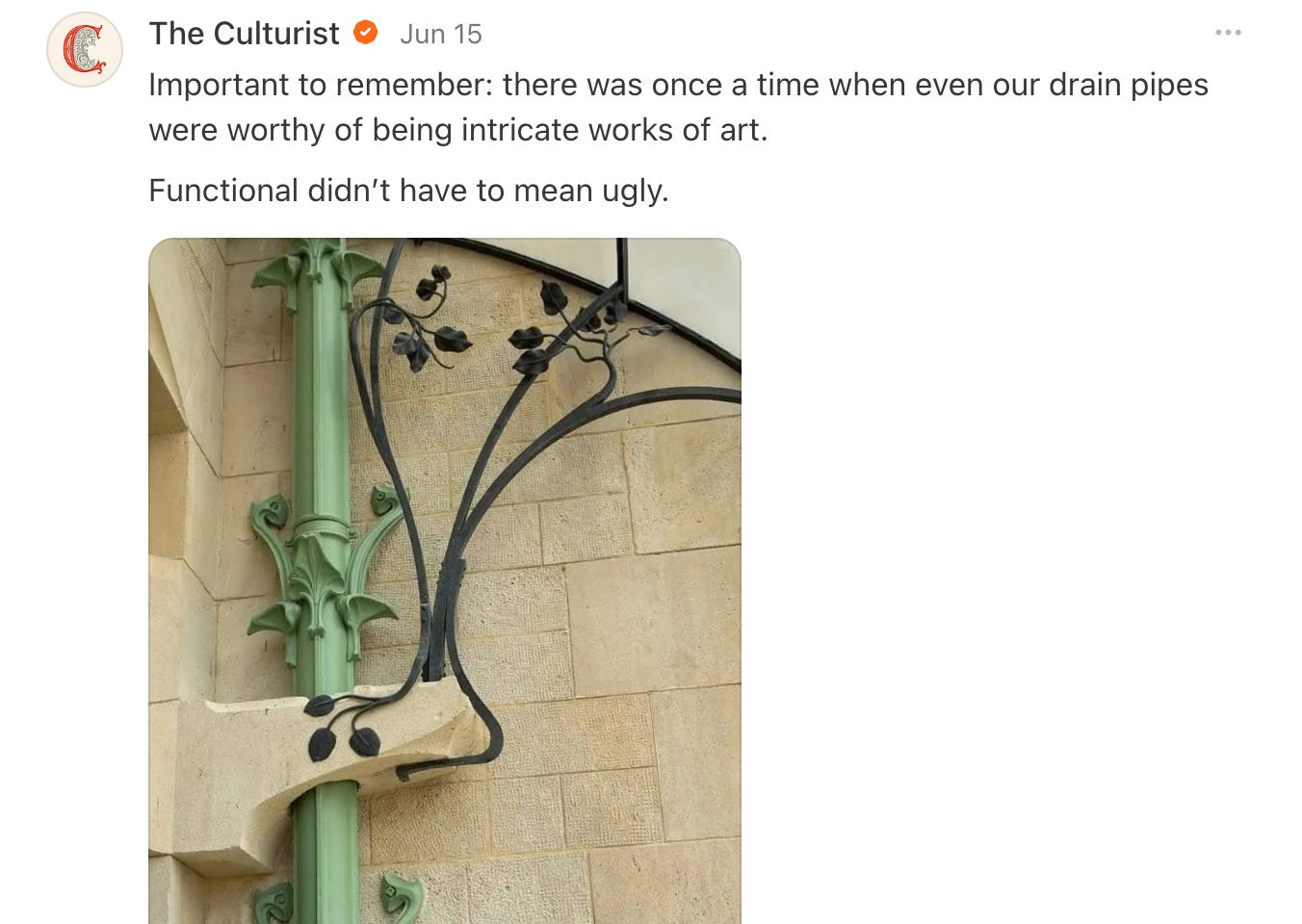
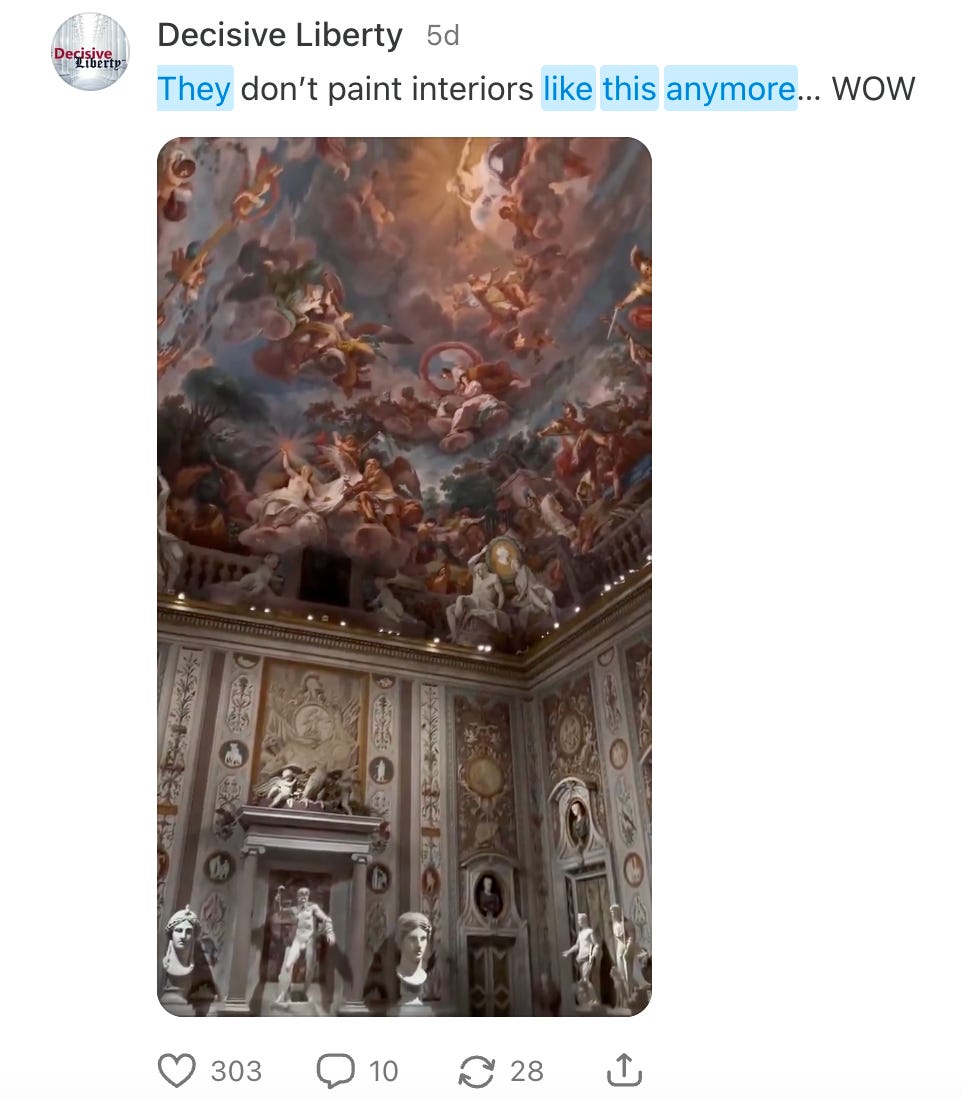
I don’t know why illuminated manuscripts have become a symbol of resistance in my mind. I am not even Christian, just an admirer of monastic traditions. The life of an academic researcher (which I barely am) and a monk are very similar, I think.
There are some obvious cultural reasons why we don’t make monumental works of art in this era of late-stage capitalism… like why have a lovely stone/brick/wood home when you could have a millennial grey cement apartment? Cost efficiency is tantamount! And efficiency digs its claws into every aspect of our lives. No time can be wasted! No moment left unproductive!
Perhaps this post is about more than resisting AI. I think I also want to resist the insidious metaphysical property managers who want to build a cement grey apartment inside of my head (does that make sense?). Why don’t we make beautiful things anymore? Well we can! We can still make beautiful things if we don’t sacrifice our effort, time1, and uniquely human thought.
Can a chatbot get my degree for me?
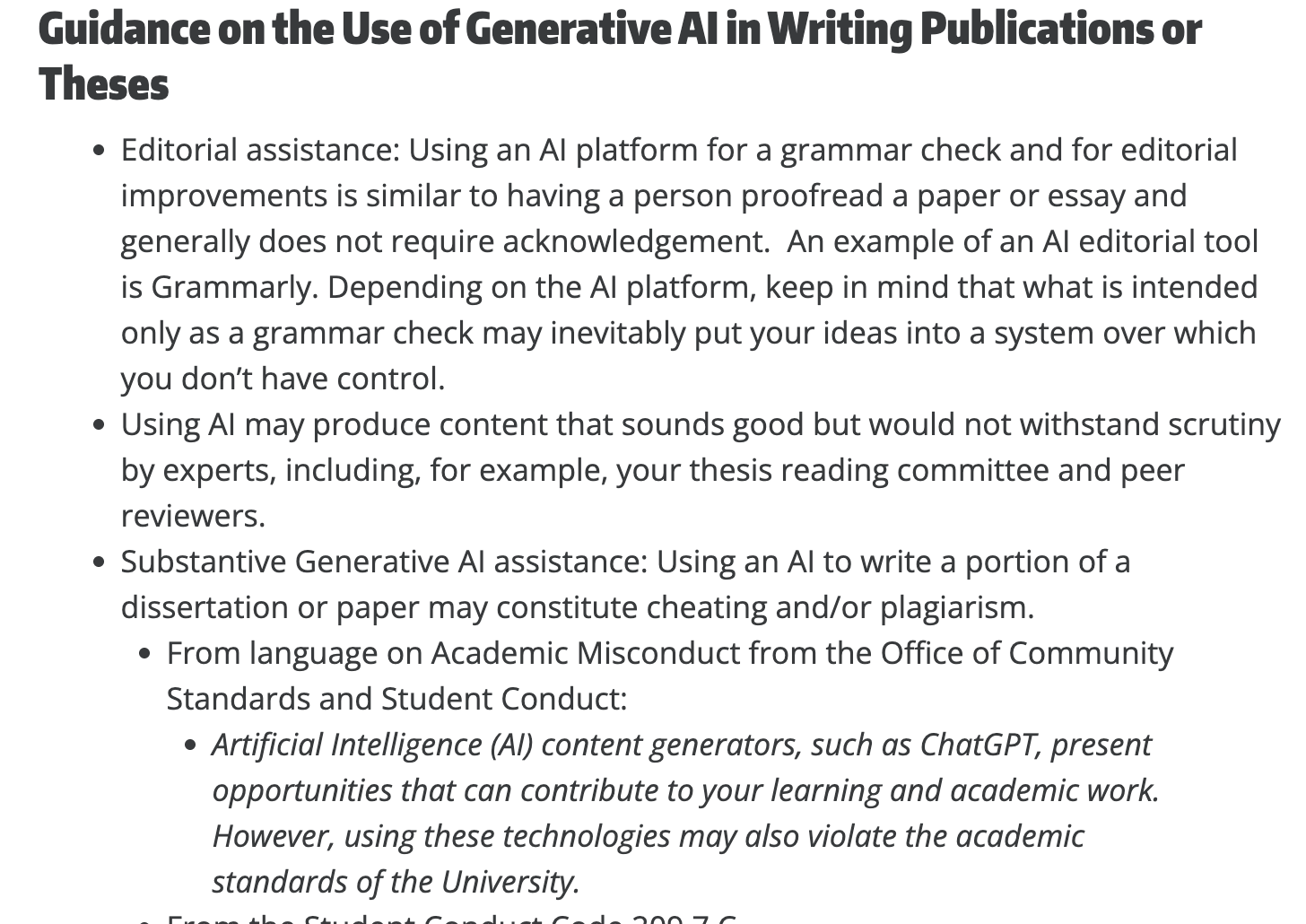
AI writing tools have been on my mind for awhile. I learned that some professors at my university actually recommend that students use ChatGPT for certain assignments. A student working with me at our writing center told me this, but he said it didn’t feel right. He wanted help from a human tutor, which gives me a lot of hope!
This past week I ended up laying out some classic anti-AI talking points for my family that I wanted to share here. My siblings had asked me if I used AI tools for my work. Do I research with ChatGPT? Do I use it to write and edit?
Not only do I not use it, I told them, I’ve never even tried. I guess I have used the unavoidable AI tools embedded in Google, like how it can translate texts from photos or identify plants (not very accurately). But no, I try to avoid AI.
So in that way, my critiques of AI are more general. And maybe I’m dogmatic about it. But this is just my opinion/worldview and it’s how I help myself sleep at night.
My siblings were surprised by my response. It saves so much time, they told me. It’s efficient!
Sure. But I am not in graduate school pursuing academic research to be efficient, necessarily. Though, I have become a much more efficient learner and writer the good old fashioned way! Nowadays, efficiency equates to putting in the least amount of effort for maximum results (though what this maximum result is, is subjective). I am sure it works for certain lines of work (writing monotonous emails all day/analyzing data/writing code).
We are fed this idea that AI is net-positive for the world and good for literally everything. It is a panacea to arduous thought! It is a personal assistant for reading, processing, and expressing yourself. In this way, it is antithetical to academia, and more generally, learning!
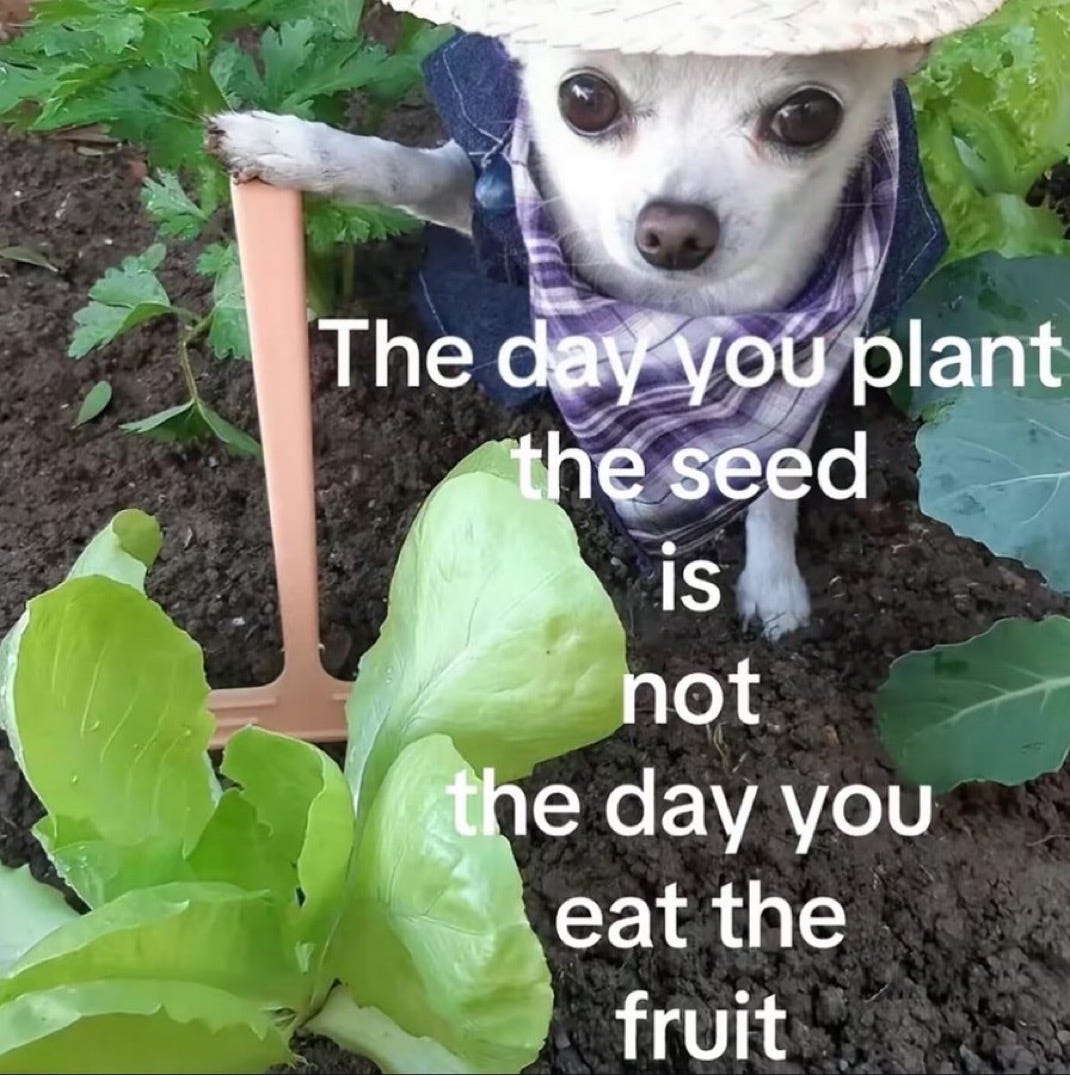
So here are some of the main talking points for AI and my critiques of them. It saves time, it saves effort, and it’s efficient!
Time: I am sure if I used AI to guide my research it would save me time. Hey, it could save me this whole year if I used it to write my thesis! But is it really saving me? Would I learn time management skills, how to organize my research and thoughts, how to write, if I didn’t do the work? Did I not take three years out of my life so I could have time to write a thesis? Isn’t taking time the whole point?
Effort: I am in graduate school to learn. I want to be an expert, and a scholar, and an educator2. It is not something you just pay for. It is not something you can wish into existence. If you want to grow, you have to feed yourself. If you want to improve, you have to try. You must put in the effort! Graduate school is difficult because you are working independently and often stretching yourself thin. You are diving into research areas you did not even know existed. And hopefully you find joy in it. You put in all this effort so that in the end, you feel like you achieved something. That is why we say you earn a degree. Hopefully, you didn’t just buy it.
Efficiency: Does efficiency mean quality? As the blurb from University of Washington states, will AI produce work that would withstand peer review by other experts? Maybe AI can point me in the right direction if I ask it the write questions, but stumbling into information and ideas is a vital part of research. It is how you add breadth to your work. Oh, this paper doesn’t discuss the fiber dying technique I was looking for, but I learned a lot more about material processing and basketry production by reading it. In fact, I found great papers to look at in the citations. It is hard to become an expert or engage in interdisciplinary research if you do not read a wide range of topics.
(It’s also bad for the environment and wastes water and energy!)
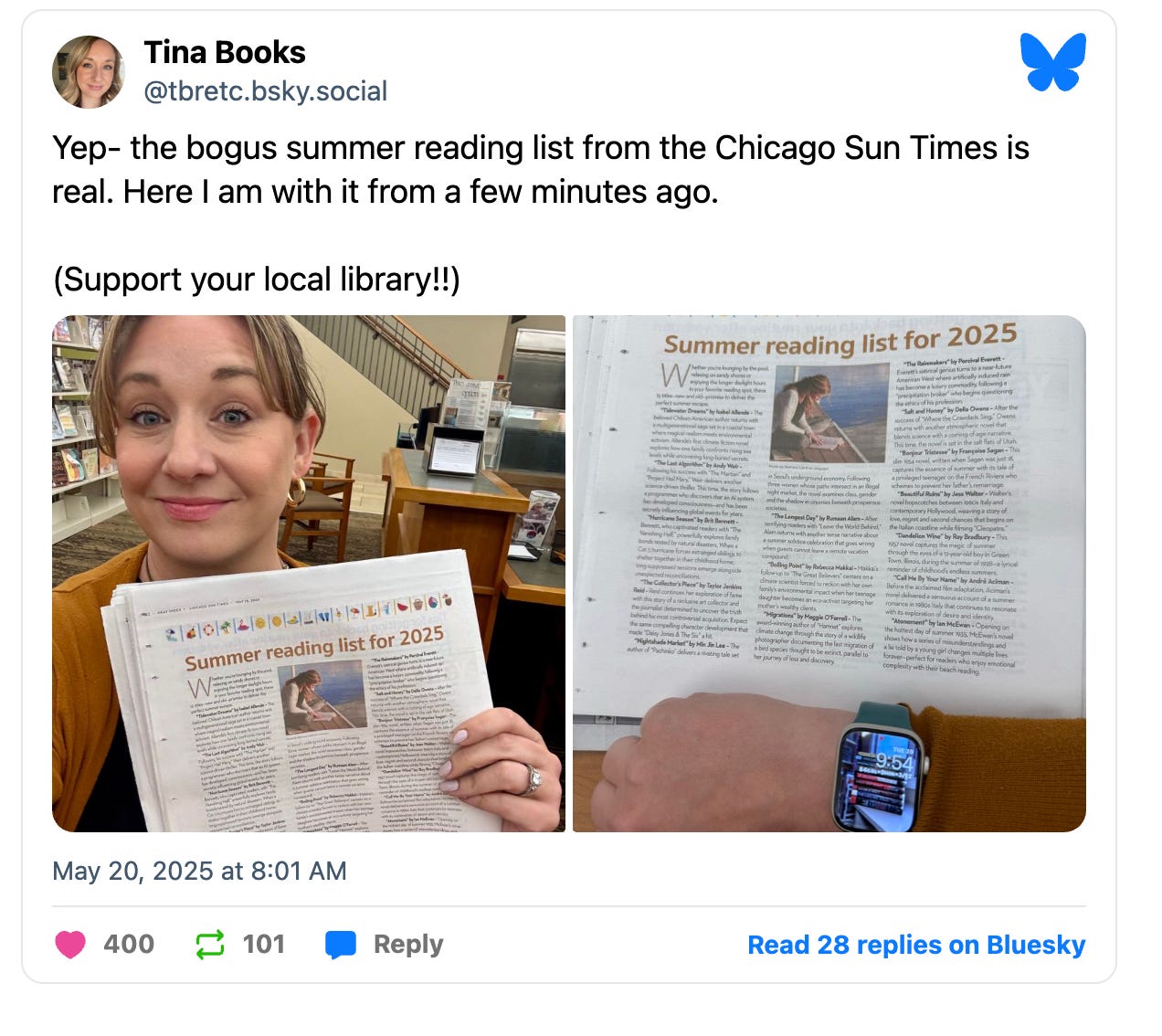
Getting worse is quick and easy! Improving takes time.. :(
Honestly, I don’t know how someone could succeed as a researcher, writer, or academic without putting in excessive amounts of time and effort— even if it seems inefficient. A lot of scientific research is “inefficient” on its face. For instance, I spent two years working as a research assistant in a lab where my efforts felt infinitesimal to the overall project. I had to do tedious work that required human hands and eyes, and though I didn’t see the end point of the research, I was there to get it started. It also made me realize just how much time, and how many hands, go into archaeological research.
A recent study from MIT demonstrated that using ChatGPT to think destroys neural pathways. It particularly harms critical thinking skills and cognitive development in young users. There is an unfortunate feedback loop when it comes to AI usage: if you do not do the reading and research, you are less likely to do the writing yourself too. It is much easier to write when you know what you are talking about— when you actually have an opinion on the subject! If you don’t, you are much more likely to pass off that work to AI.
So when friends or family wonder why I don’t use AI, it’s because doing it myself is the goddamn point!
I don’t want to be so harsh about it, but I am fed up. I am fed up that in this world of open and endless information— Anna’s Archive, Project Guttenberg, public libraries, WIKIPEDIA!— people are using ChatGPT instead of a basic search engine.
We have the world at our fingertips and we don’t even want to look at it!
I watched SE7EN last night and Morgan Freeman’s character said something similar. You have all this knowledge at your fingertips and instead you’re playing poker?
I think overstimulation and information overload is the cause of our inaction. It surely throws me into catatonia. It dulls my thinking and my mood, which is why I wait as long as possible in the morning to turn my phone on. Doomscrolling has replaced active curiosity. Instead of searching, I wait for the information to come to me. Like most people nowadays, I struggle with my attention span. Once I start scrolling it is impossible to stop. Going off the poker metaphor, it is easier to leave it up to chance and it’s addictive to hit the newsfeed slots. My only way around it is to turn my phone off or disable social media. My partner went so far as to replace his iphone with a dumb phone.
Maybe I’m a Luddite at the end of the day. If you want to hate on me for this opinion, it wouldn’t be the first time! In regards to being upset with my opinion, I want to reiterate that it is just my opinion. I mean, I wish using AI was sunflowers and daisies and we could frolic with our ChatGPT assistants in a virtual field, but that’s not the world we live in. (e.g. Big tech contracts with the US military to do god knows what, Grok becoming obsessed with “white genocide” in South Africa, sycophantic ChatGPT telling you to sell poop on a stick or to kill yourself).
I wish I could be a techno-optimist, but I am concerned about the minds of the future. I’ve worked with college students who struggle to write complete sentences, let alone entire papers. And I don’t think AI is the solution to this problem.
Big tech profits off our time, our data, our images, our thoughts. Thinking is something completely your own— your life, your world! It is our greatest blessing and burden. But no one can think for you. No one can take your cognitive power away from you, unless you let them. Sorry to be dramatic and cliché, but knowledge is power my loves! Resist and create! Channel that work of art you admire, that great achievement that seems so distant, and let it motivate you. We can still make beautiful things even if we are inefficient and slow.
Okay I am stepping off my soap-box now. Thank you for reading!
I emphasize time bc at the end of the day all my time spent consuming could be spent creating… of course time is a luxury we do not all have. Which is why we shouldn’t sacrifice our free time to Meta or Google or whatever.
all of these things are very unlikely. the future of academia is so grim. my phd dreams are delusional at this point.
👏👏🏾👏🏼 Keep ranting.
Of course a big part of the problem too is who is in control of the technology. Instead of being there to support humans, the owners of the technology have engaged in large-scale, industrialised theft of so much of human creativity. Even when present day alive creatives issue their disagreement and unwillingness to share their work with generative AI, the tech bros don't listen, and keep stealing.
I use AI extensively, but I don't use it to write anything. It's a boring, bland writer with an annoying tendency to pander.
Using it has greatly deepened the scope of my research, though. Because it's able to give diverse answers to a single question, I often find things using AI that I couldn't find using a conventional search engine. True, about 30% of what it tells me is hallucinated, but another 30% is material I wouldn't have found on Google.
I don't think we should consider whether to use AI as a yes/no question. The issue is how to use AI so that it supports humanistic endeavor.